fibc bags manufacturer
Key words:
Tangshan Zongye Packaging successfully shipped two containers of bulk bags to Spain
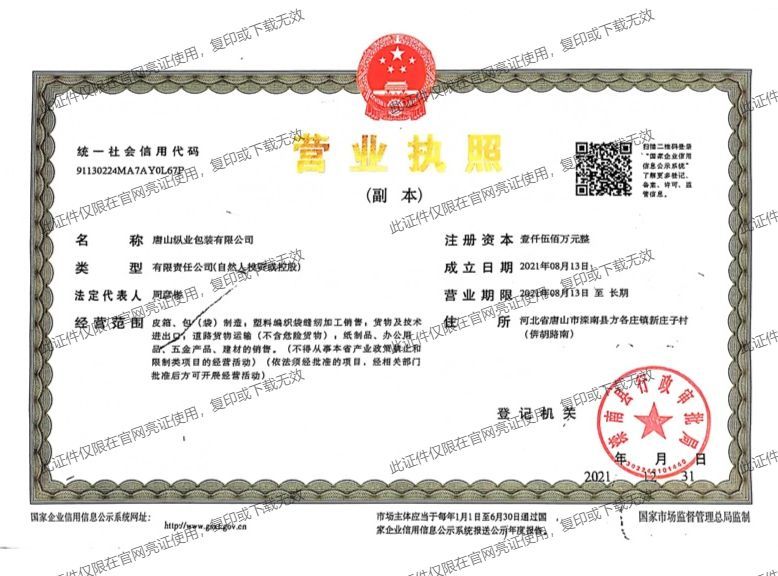
Recently, Tangshan Zongye Packaging Co., LTD's production base presented a busy yet orderly scene. FIBC The successful loading of a batch of high-quality flexible intermediate bulk containers (FIBCs) into containers marks the completion of shipment for two full containers destined for a Spanish client, officially commencing their journey!
How to design custom D-type bulk bags for refractory materials
D-type bulk bags are a type of custom packaging bag widely used in various industrial fields for refractory materials. Its unique design not only protects refractory materials from external environmental damage but also facilitates transportation and storage. This article will introduce how to design custom D-type bulk bags for refractory materials and their importance in the industrial sector. Firstly, the first step in designing custom D-type bulk bags is to understand the characteristics and requirements of refractory materials. Different types of refractory materials have different needs during storage and transportation, such as temperature, humidity, and pressure. Therefore, we need to determine the material, size, and structure of the bulk bag based on the specific characteristics of the materials. Secondly, selecting the appropriate material is very important. Refractory materials are often subjected to high temperatures and corrosive environments, so we need to choose materials with high heat resistance and corrosion resistance for making the bulk bags. Commonly used materials include polyester fiber, polypropylene fiber, and fiberglass. These materials have good tensile strength and abrasion resistance, effectively protecting the refractory materials. When designing D-type bulk bags, we also need to consider the size and structure. The size should be determined based on the quantity and weight of the refractory materials. Sizes that are too large or too small can affect the stability and convenience of the bulk bag. In terms of structure, we can consider adding elements such as zippers, straps, or handles to facilitate the user's operation during filling and unloading. Additionally, to ensure the quality and safety of D-type bulk bags, we need to conduct appropriate quality control and testing. For example, exposing the bulk bags to high-temperature environments for heat resistance testing to ensure their stability and fire resistance in high-temperature conditions. In summary, designing custom D-type bulk bags requires consideration of the characteristics and requirements of refractory materials, selecting appropriate materials, sizes, and structures, and conducting quality control and testing. Through reasonable design and production, D-type bulk bags can provide effective protection for the transportation and storage of refractory materials. In the industrial sector, D-type bulk bags are an indispensable important tool.
How to choose a suitable for you?
Let us assist you!
Our experts will contact you as soon as possible to meet your needs.
Latest Products

Latest News