Key Points for Food-Grade Big Bag Production and Quality Control
2025-09-09 09:38
Food-grade big bags, as packaging containers that come into direct contact with food materials, are crucial for food safety. The newly released ISO 22000 food safety management system
standard provides clear requirements for food-grade big bags, and manufacturers must strictly adhere to these regulations.
Material selection is the first and foremost step. Food-grade big bags must use virgin
polypropylene material that complies with FDA or EU 10/2011 standards; the use of recycled materials is strictly prohibited. The inner layer should be coated with a food-grade PE film to ensure no contamination or migration of harmful substances.

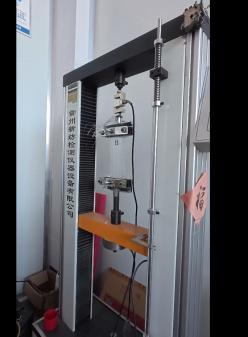
Quality testing is indispensable. In addition to routine tensile strength and seal strength tests, specific food safety tests such as heavy metal migration and sensory tests must be conducted. Each batch of product should have complete traceability information, including raw material batch number and production date.
Innovative gas sterilization technology. The industry has widely adopted gas sterilization
technology, injecting chlorine dioxide gas or food-grade natural volatile organic compounds into the bag to achieve comprehensive sterilization. This technology effectively inhibits the growth of
spoilage bacteria such as yeast and mold, reducing the number of settling bacteria in the
packaging area from an average of 42 CFU/plate to 8 CFU/plate, significantly improving food safety.
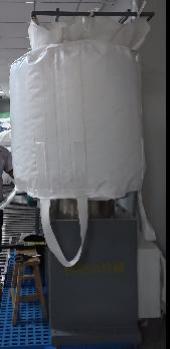
With consumers' increasing demands for food safety, food-grade big bag manufacturers must establish a comprehensive quality management system, covering everything from raw material procurement to production processes and final testing, to ensure the safety and reliability of
their products.
Tag:
Related News


Durable, Reliable
Your Global Partner
Contact Us


tina@zongyepack.com

Address:Luan'nan County, Tangshan City, Hebei Province
Tangshan Zongye Packaging Co., Ltd. Powered by www.300.cn | SEO | Privacy Policy | Business license